Sign-up to our newsletter and we'll also send you our free ebook on Navigating Social Situations.
Imagine confidently joining any dinner party, indulging in holiday feasts guilt-free, and making lasting memories, all while edging closer to your goals. Sign up now!
You will receive an email from us soon.
Hmm.. something went wrong. If the issue persists, please contact us.
Introduction: The Real Struggle Behind Flexible Dieting
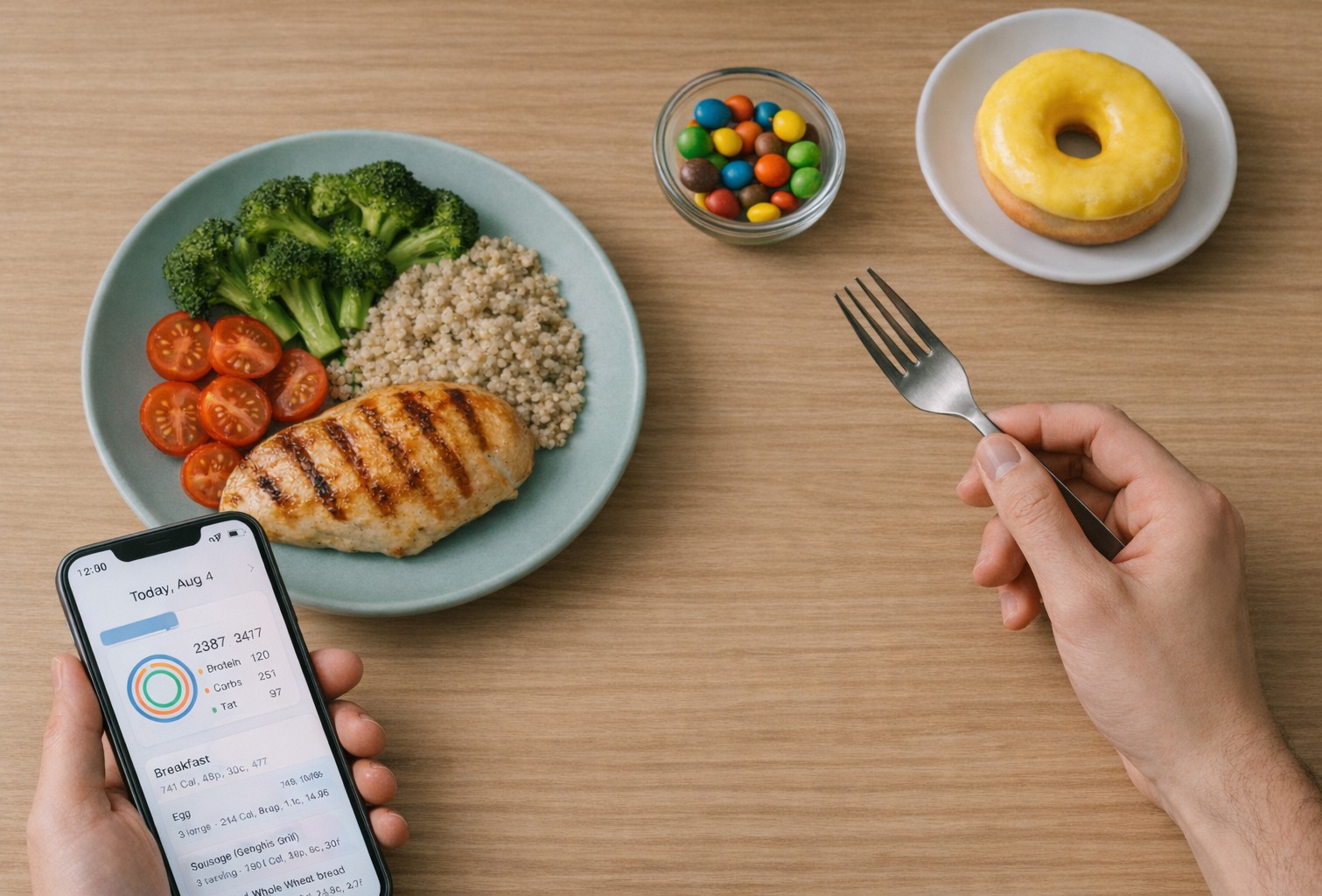
Flexible dieting sounds like a dream: no banned foods, no rigid meal plans, no guilt for enjoying your favorites. You simply track your calories and macros, hit your targets, and eat the foods you love in moderation.
But anyone who has actually tried flexible dieting knows the truth…
It’s flexible, not effortless.
Between learning portion sizes, navigating social events, and balancing higher-calorie foods with nutrient-dense meals, many people still feel overwhelmed.
This guide breaks down what flexible dieting really is, why it feels hard at times, and how to make it easier, more enjoyable, and more sustainable using practical strategies.
What Is Flexible Dieting?
Flexible dieting is an approach to nutrition that focuses on hitting your daily calorie and macronutrient targets, rather than following a strict, pre-set meal plan.
Instead of eating a rigid list of “approved” foods, you choose foods that fit your life, your preferences, and your routine.
At its core, flexible dieting means:
You can eat any food as long as it fits your daily goals
You focus on calories, protein, carbs, and fats
You avoid the “good” vs. “bad” food mindset
You prioritize moderation and awareness, not perfection
Flexible dieting gives you freedom, but like any skill, it takes practice to do well.
Why It Can Feel Easier Than It Really Is
Let’s be real. On paper, flexible dieting sounds simple:
“Just track your food and hit your macros.”
But in daily life? It can feel more like:
“My dinner is 800 calories… what do I do now?”
“I didn’t know that tablespoon of peanut butter was 100 calories.”
“My macros look perfect, but I feel hungry.”
“Wow, I didn’t realize portions were this big.”
The biggest challenges people face:
1. Underestimating calories Foods like oils, nuts, dressings, and restaurant meals can add up fast.
2. Lack of meal structure Too much flexibility can turn into… chaos. (Hello, 300g of protein and no carbs left at 7pm.)
3. Decision fatigue When everything is allowed, it’s easy to get overwhelmed.
4. Emotional eating patterns Flexibility doesn't automatically mean balance, habits still matter.
5. Thinking it should feel “easy” Flexible dieting is a skill, just like budgeting, lifting weights, or driving.
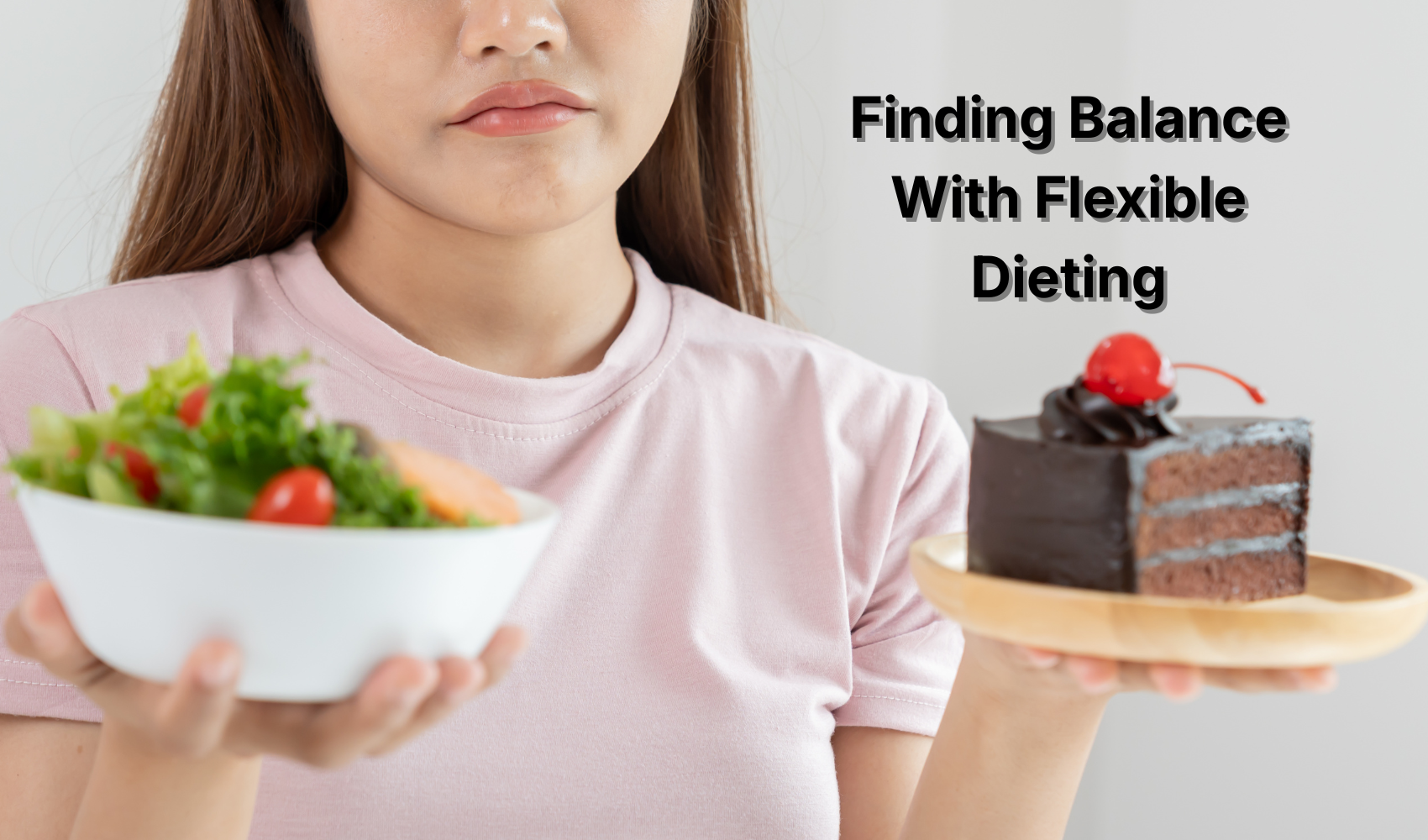
Finding Balance With Flexible Dieting
Flexibility doesn’t mean “eat whatever.” It means you choose foods intentionally, so your day works for you, not against you.
Balance looks like:
Building meals around lean protein
Adding fruits or veggies to most meals
Saving room for a treat you love
Planning ahead when you know you’ll eat out
Not letting one high-calorie meal derail your day
You don’t need to be perfect, just mindful.
Benefits of Flexible Dieting
When done well, flexible dieting can completely transform someone’s relationship with food.
Top Benefits:
✔ Sustainable long-term (because you’re not eliminating your favorite foods) ✔ Helps prevent binge-restrict cycles ✔ Educates you on portion sizes and calorie awareness ✔ Reduces guilt and the “start over Monday” trap ✔ Supports weight loss, maintenance, or muscle gain ✔ Works for busy schedules, travel, and social events ✔ Encourages balance, not extremes
Flexible dieting isn’t just a weight-loss strategy, it’s a lifestyle framework.
How to Make Flexible Dieting Easier
Here are practical strategies users can start today.
1. Plan Your Day Before You Start Eating
This is the biggest game-changer.
Examples:
Pre-log breakfast, lunch, and dinner in Carbon
Plug in a treat (like a cookie or Starbucks drink) early so you can plan around it
Adjust portions in the morning instead of scrambling at night
2. Build “Macro-Friendly Anchors” Into Your Routine
These are foods you rely on consistently to help hit your goals:
Protein Anchors:
Non-fat Greek yogurt
Chicken breast
Lean ground beef or turkey
Tofu or edamame
Protein shakes
Fiber Anchors:
Berries
Veggies
Beans
Potatoes
Whole grains
Anchors make your day predictable even when everything else changes.
3. Use Meal Templates
You don’t need a meal plan, just a meal pattern.
Sample templates:
High-protein breakfast + fruit
Balanced lunch with lean protein, veggies, and carbs
Flexible dinner- something you enjoy that still fits
Optional evening snack if needed
This structure provides freedom and stability.
4. Pre-Prep “Flexible Basics”
Meal prep doesn’t have to mean identical Tupperware meals.
Prep ingredients instead, such as:
Grilled chicken
Cooked rice or potatoes
Chopped veggies
Hard-boiled eggs
Washed fruit
A batch of high-protein snacks
This lets you mix-and-match meals without feeling restricted.
5. Allow Room for Enjoyment Foods
Flexible dieting works because you can enjoy foods without guilt.
Examples:
150–250 calorie dessert
A fun Starbucks drink
A favorite snack
A weekly restaurant meal
Balance > deprivation.
Conclusion
Flexible dieting is not a “do whatever you want” diet. It’s a structured yet adaptable way to eat that relies on mindfulness, planning, and consistency- not perfection.
With a bit of learning and a few smart strategies, flexible dieting becomes one of the most powerful, sustainable nutrition approaches for long-term weight loss, muscle building, or maintenance.
Carbon makes flexible dieting even easier by giving you personalized targets, adjusting based on your progress, and simplifying the tracking process so you don’t have to guess.
You don’t need willpower. You just need a plan and flexibility that actually works.
Share
The smart diet coaching app created by nutrition experts to help you achieve long lasting results.